

Scott Robinson: 10 Essential Jazz Tracks to Know
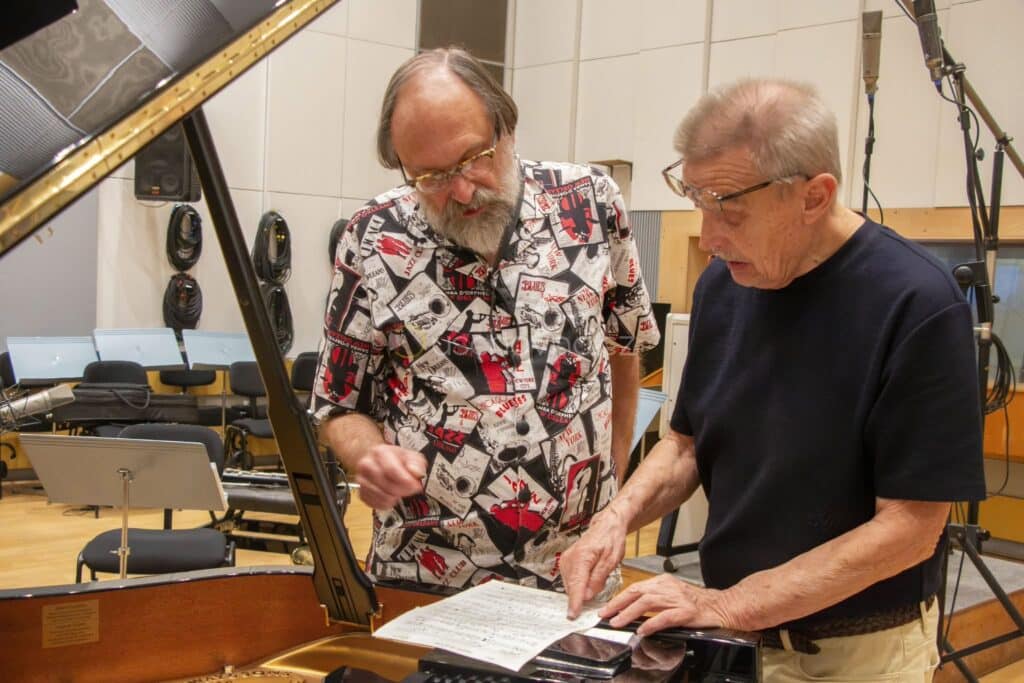
Scott Robinson is one of jazz's most versatile multi-instrumentalists, excelling across woodwind and brass with a mastery that few can match. Pianist Emil Viklický, a longtime collaborator and friend since 1977, selects ten essential jazz recordings that capture Robinson at his absolute finest.
Big Band Jazz at Its Best: The Brookmeyer Sessions
Four of Viklický's top picks come from Bob Brookmeyer's New Art Orchestra album New Works (1999), where Robinson serves as principal baritone saxophone soloist. His playing across the four-part Celebration suite is described as technically impeccable and emotionally clear. Remarkably, Robinson goes uncredited in the album's YouTube description — an oversight Viklický hopes this spotlight will help correct.
Robinson as Leader: Tenor, Melody and Rare Instruments
Robinson's 2019 album Tenormore earned him best release in the JazzTimes readers poll, with 'Tenor Twelve' standing out as a highlight. His 2000 recording Melody from the Sky showcases the rarely heard C melody saxophone with stunning lyrical sensitivity. These performances reveal a jazz musician equally at home leading a session as supporting one.
Sideman Excellence: Swinging with Frank Wess and Thad Jones
Robinson's baritone solo on the title track of Frank Wess Octet's Tryin' to Make My Blues Turn Green (1994) is a masterclass in soul-driven swing. His work on Forever Lasting (2003), interpreting Thad Jones compositions, is equally compelling. These recordings highlight how Robinson elevates every ensemble he joins, whether in soul-infused small groups or larger jazz settings.
Key Takeaways
Scott Robinson's discography spans big band jazz, rare instrument explorations, and intimate duo sessions — all marked by technical brilliance and deep musicality. These ten tracks, chosen by a musician who has known him for nearly five decades, offer the ideal starting point for anyone discovering his extraordinary artistry.
Author: Charles Rees
Source: UK Jazz News
Published: November 17, 2026
